This Page is a work in progress.
We are currently compiling huge amounts of information
Woodland Plantation:
History & Significance
Location & Construction
-
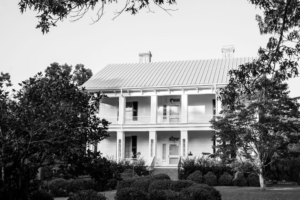
Woodland Plantation is located on what is now Santuc-Carlisle Highway (State Highway 215), near Carlisle in Union County, SC. Wikipedia+2Roots and Recall+2
-
The main house was built around 1850 in a Greek Revival style—with some Italianate influences—reflecting the wealth and architectural tastes of the antebellum South. Wikipedia+2Roots and Recall+2
Original Owners: The Jeter & Mobley Connection
-
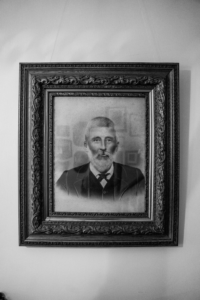
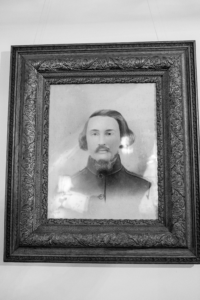
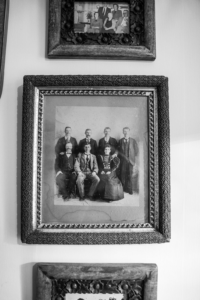
Woodland was built for Reverend James Thomas Jeter and his wife Catherine Elizabeth Mobley Jeter. National Register+1
-
The Mobley family (on his wife’s side) is known in the region for several antebellum homes sharing similar architectural features—especially the open/light-filled columns—suggesting shared design influences. Roots and Recall
Architectural Features
-
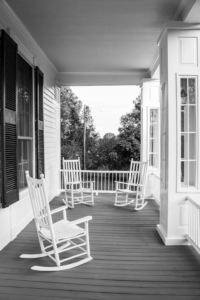
The house is a two-story clapboard structure. Unique elements include square porch columns with windows on all four sides—these windows/light features were used for lighting (lanterns), signage to passing stagecoaches, and social uses (evenings, gatherings). Roots and Recall
-
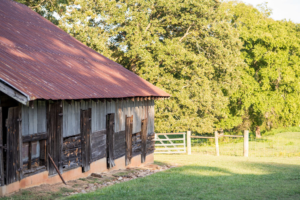
The plantation complex includes multiple outbuildings dating from mid-19th century to mid-20th century: smokehouse, storehouse, carriage house, barns (hay, calf, etc.), cotton gin house, silo, privy, etc. south-carolina-plantations.com+3Wikipedia+3Roots and Recall+3
Usage Over Time
-
Woodland functioned as a cotton plantation up through the 1920s. Cotton was a dominant crop and labor‐system in the antebellum and post-Reconstruction era in this region. Roots and Recall+2south-carolina-plantations.com+2
-
After cotton, it transitioned to a dairy farm roughly in the 1920s, and that dairy farming persisted until the late 1950s. south-carolina-plantations.com+1
Preservation & Later Recognition
-
Woodland Plantation has proven to be one of Union County’s most intact antebellum residences, especially in terms of house and associated historic outbuildings. Roots and Recall+1
-
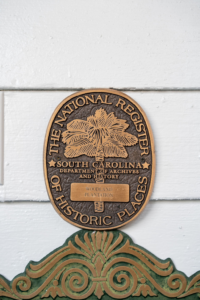
It was listed on the National Register of Historic Places on May 30, 2001. The historic boundary is about 78 acres.
Woodland Plantation Timeline
| Date / Period | Events & Property Use | People / Ownership |
|---|---|---|
| c. 1850 | House constructed in Greek Revival with Italianate elements; moved mid-build closer to the new Spartanburg & Union Railroad. | Built for Rev. James Thomas Jeter (1818–1884) and wife Catherine Elizabeth Mobley Jeter (1823–1894). |
| 1850s–1920s | Operated as a cotton plantation; complex included smokehouse, storehouse, carriage house, barns, cotton gin, etc. | The Jeter family maintained Woodland as their primary agricultural seat. |
| 1894 | Woodland inherited upon Catherine’s death. | Passed to her son Dr. James Thomas Jeter, Jr. (1867–1940). |
| Early 1900s | House exchanged within family so Dr. Jeter could live nearer his Santuc medical practice. | Dr. J.T. Jeter, Jr. swapped homes with his sister Mary Elizabeth “Bessie” Jeter (1865–1936) and her husband James Parham “Jimmie” Jeter (1862–1926). |
| 1920s–1957 | Converted to and operated as a dairy farm; dairy closed in 1957. | Run by Bessie and Jimmie’s sons: Hugh Jeter, John Mobley Jeter, and James T. Jeter. Brother Douglas Jeter lived there into the early 1980s. |
| 1984 | Estate survey map documents buildings on site. | James P. Jeter Estate surveyed. |
| 1996 | Restoration begun after decades of decline. | Purchased by Drs. Allen P. & Elaine K. Jeter from James Jeter Easley. |
| 2001 (Feb) | Official photos taken for historic designation. | – |
| 2001 (May 30) | National Register of Historic Places listing; 78-acre boundary includes house & ten contributing outbuildings. | Recognized under Criteria A & C (agriculture & architecture). |
Notable Mentions
- Roots & Recall: 3435 Santuc Carlisle Hwy
- South-Carolina-Plantations.com: Woodland (Union County)
- Wikipedia: Woodland Plantation (Carlisle, SC)
- South Carolina Picture Project — Union County