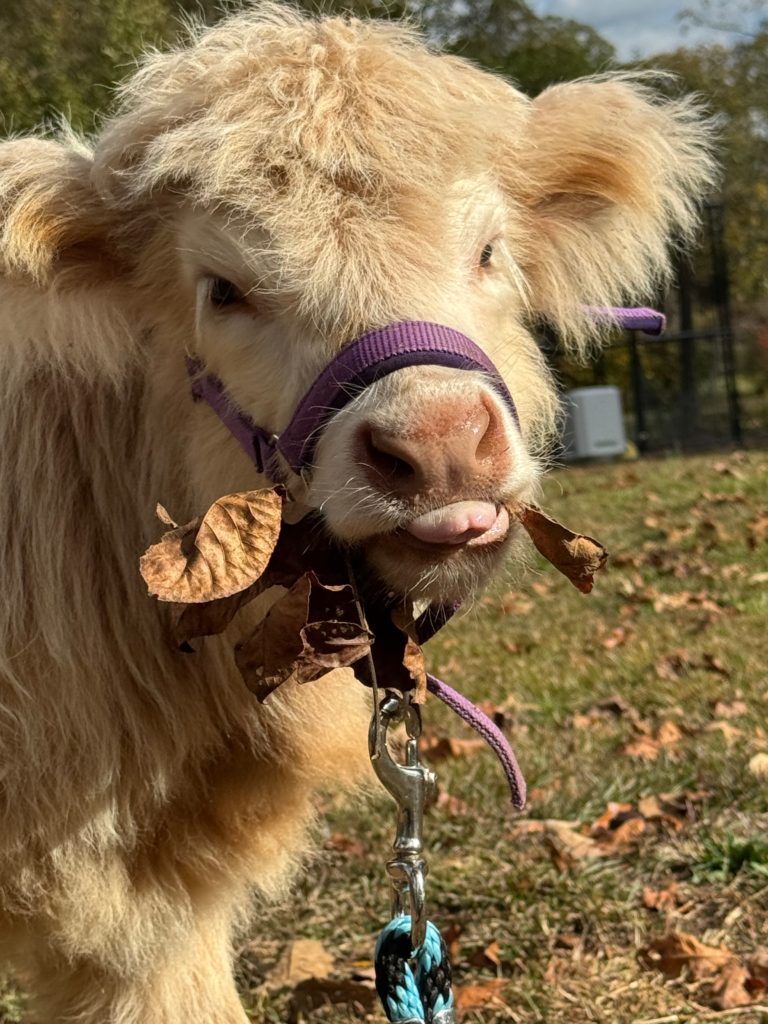
Highland Cattle
A Breed With Heritage and Heart
Highland cattle trace their roots to the rugged Scottish Highlands and western islands, adapted over centuries to survive where few breeds could thrive. The first registered herd book dates back to 1884–85. Their evolution in harsh climates endowed them with extraordinary traits: a thick double coat that sheds wintry rain, hardy constitution, and efficient foraging habits.
These are not just scenic animals—they’ve been trusted partners of upland farmers for generations: valued for adaptability, strong maternal instincts, ease of management, and longevity.
Natural Size, Gentle Disposition
One of the standout qualities of Highland cattle is their manageable stature compared to many large-beef breeds: cows typically stand around 90-110 cm at the shoulder, and bulls somewhat higher. Their long, shaggy hair and sweeping horns give them a distinctive look, but their temperament is equally distinctive: calm, curious, and often remarkably gentle around people when properly handled.
Because they are less massive than heavy-beef breeds, they tread lightly, which means they are easier on pastures and more amenable to closer human interaction. For our setting, this gentle nature makes them ideal for guest interaction, petting, photo-ops and event use.
Why We Love Them at Our Place
At Woodland Plantation, we’ve chosen Highland cattle not just for their heritage and hardiness, but for their role in our guest-experience and land-management vision.
- Bottle-baby socialization: Our calves are raised from bottle and handled daily from early on. That early imprinting fosters trust and gentleness, so when they wear flower garlands and mingle with event-guests, they’re calm, friendly, and open for petting or photos.
- Event ambassadors: Their shaggy hair, sweeping horns, and “fluffy” appearance make them natural stars in photographs and platforms for interaction. Guests are delighted by the novelty—and the chance to touch, feed, or pose with a real heritage breed.
- Smaller-scale footprint: Because Highland cattle are naturally smaller and efficient grazers, they integrate nicely into our diversified property. They don’t demand massive infrastructure or intensive feeding regimes; instead they thrive on pasture, brush, and marginal ground.
- Land stewardship & pasture health: Highland cattle’s adaptability means they can help with pasture rotation, brush control and grazing in terrain where big mechanized equipment might falter. Their lighter weight and careful grazing habits help preserve soil structure and plant communities.
- Heritage and story: Having Highland cattle aligns with our mission of preserving heritage breeds and connecting our visitors, guests and community to living agricultural traditions—not just machinery, but animals, histories, relationships.
Practical Benefits — Beyond the “Cute Factor”
While their photogenic qualities are appealing, Highland cattle bring real practical benefits:
- Low maintenance resilience: They handle cold, wind, and poorer quality forage where many other breeds require more inputs.
- Good maternal traits & longevity: Many Highland cows calve easily, raise strong calves, and remain productive longer.
- Versatility: While at Woodland we primarily focus on their event-role and pasture-management function, Highland cattle can also produce premium beef under the right conditions, making them a useful dual-purpose component of a diversified farm.
- Guest-friendly animals: Because they are accustomed to human interaction (especially when bottle-raised) and are naturally more docile than many large beef breeds, they are safer and more approachable—critical for event use and educational experiences.
Integrating Them Into Woodland Plantation’s Vision
At Woodland Plantation, our Highland cattle are more than part of the herd: they’re part of the experience.
- We schedule flower-garland sessions for calves and young heifers during events so guests can stroll the pasture, meet the animals, learn about their history and heritage, and snap memorable photos.
- We provide education stations: guests learn about how Highland cattle evolved in Scotland’s rugged environment, what traits made them resilient, and how these traits translate to modern diversified farms.
- We rotate grazing in marginal areas and brush pastures where tractors or heavy equipment are inefficient—helping with brush management, habitat enhancement and pasture health.
- We maintain the cattle in a pasture-based system, emphasizing minimal stress, natural forage and gentle handling so that their temperament remains calm, social and guest-friendly.
Closing Thoughts
Highland cattle bring together heritage, practicality and charm. They tell a story of rugged landscapes, adaptation and agricultural history—but they also fit perfectly into a modern diversified property that values experience, land stewardship and guest connection. At Woodland Plantation, these gentle, shaggy ambassadors of the Highlands are helping us realise a vision where heritage animals, interactive events and sound land-management walk hand-in-hand.